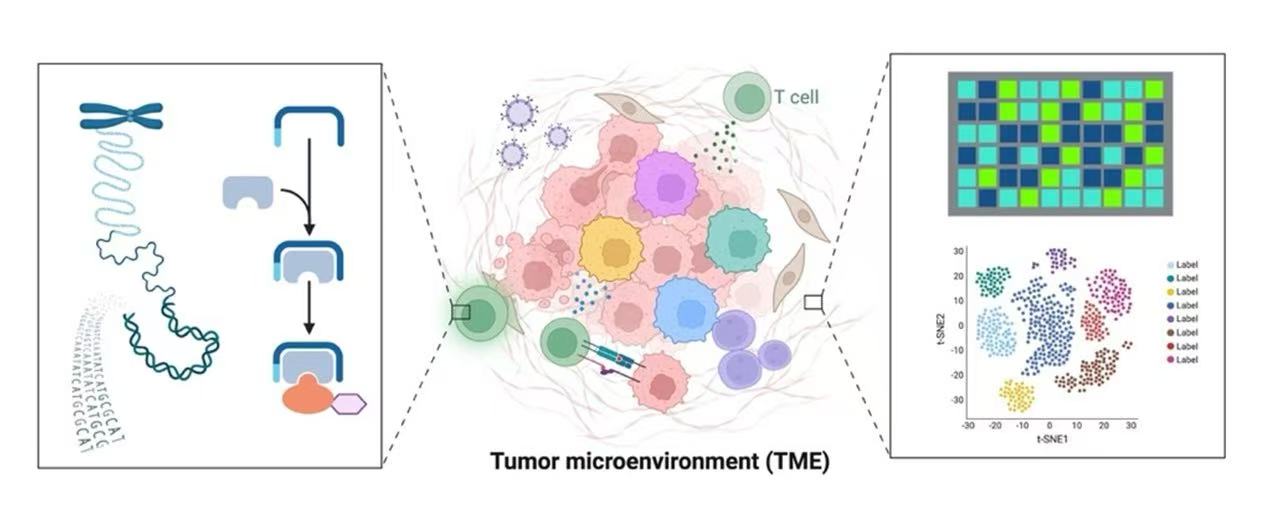
Overview
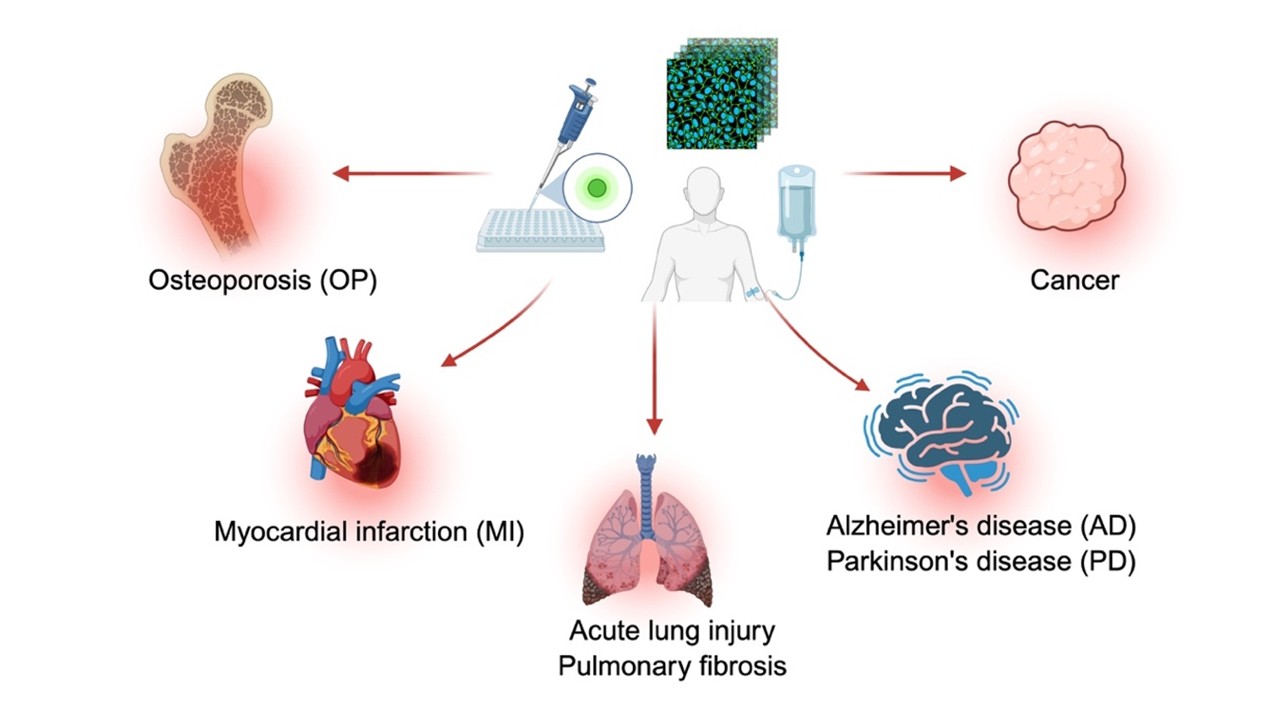
The Yang Group is driven by clinical needs in precision medicine. We integrate functional nucleic acids, genetic engineering, and smart delivery systems to develop new approaches for cancer therapy and immune modulation in the tumor microenvironment. Our interdisciplinary program spans nanomedicine, nucleic-acid chemistry, gene and cell engineering, and microenvironmental immunology, establishing a translational pipeline that links nucleic-acid/nanotechnologies, biological function, mechanistic insight, and clinical translation. We pursue diagnostic and therapeutic innovations for major diseases, including cancer, immune-related disorders (e.g., myocardial infarction, acute lung injury, pulmonary fibrosis, atherosclerosis, osteoporosis), and neurodegenerative diseases (e.g., Alzheimer’s and Parkinson’s).
Current Research Interests
1) Intelligent nanomedicine and drug-delivery platforms
We design targeted, microenvironment-responsive, and controlled-release delivery platforms to overcome biological barriers, enable precise drug delivery, and reprogram the immune microenvironment.
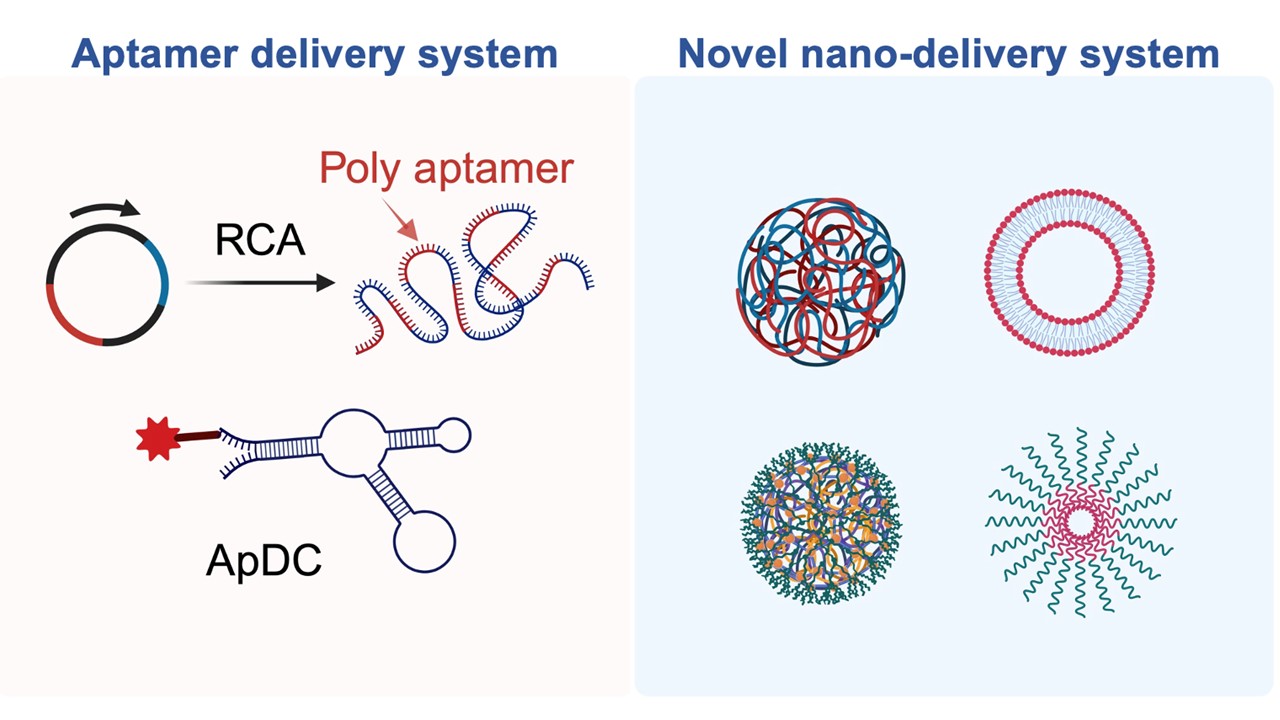
2) DNA molecular engineering and functional nucleic-acid design
We develop functional nucleic acids and DNA nanotechnology to build platforms for nucleic-acid modification and assembly, enabling cell-surface engineering, molecular diagnostics, and targeted therapies, and accelerating the development of nucleic-acid drugs.
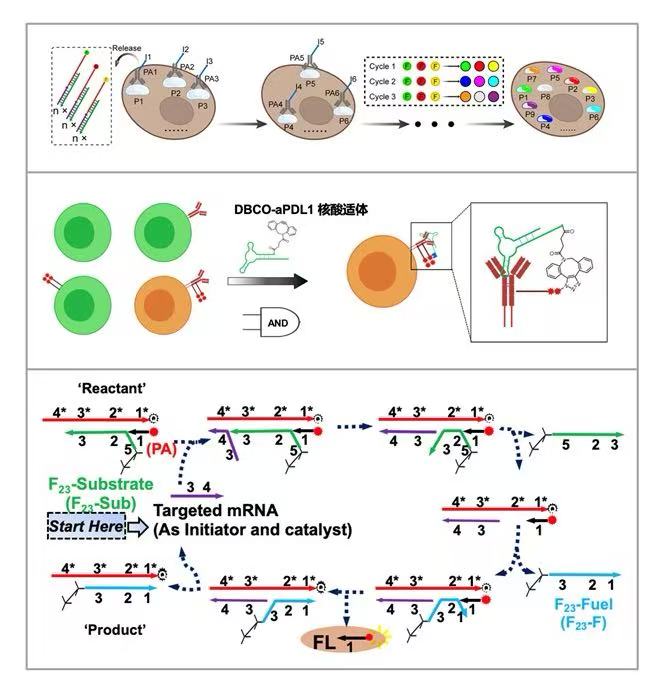
3) Genetic engineering and cell therapy strategies
Using genetic engineering and cell-surface engineering, we enhance cell function, improve specific recognition, and amplify therapeutic efficacy to create next-generation cell therapy products for immune-related diseases.
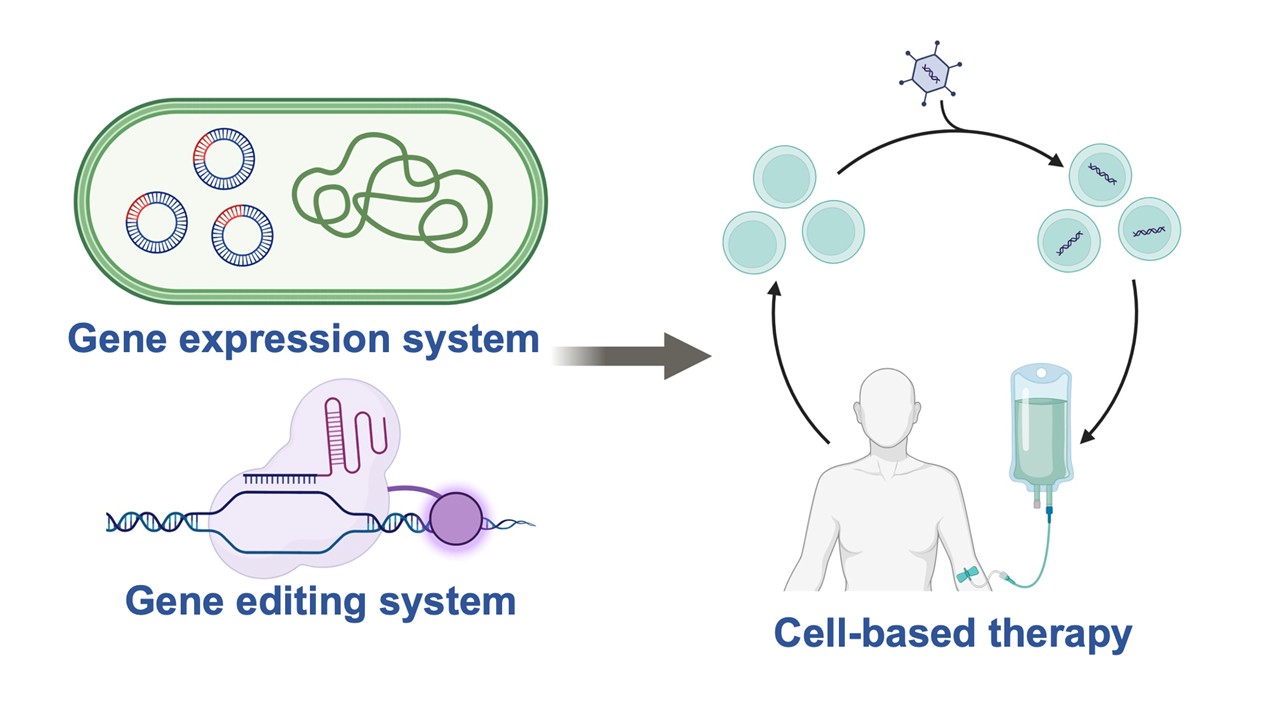
4) Integrated strategies for precision diagnosis and therapy
We develop multifunctional platforms that combine diagnosis, imaging, and therapy to support personalized treatment in oncology, immune-related diseases (e.g., acute lung injury, pulmonary fibrosis, atherosclerosis, myocardial infarction, osteoporosis), and neurodegenerative disorders (e.g., Alzheimer’s, Parkinson’s).
5. Mechanism Analysis and Regulation of Tumor and Immune Microenvironment
Focusing on the microenvironment characteristics of tumors and immune-related diseases, the physicochemical properties, metabolic reprogramming and immune regulatory networks were systematically analyzed. By integrating multi-omics analysis and functional experiments, the dynamic interaction mechanism of tumor-immune microenvironment is elucidated, and an intervention network based on key regulatory nodes is constructed to provide theoretical basis and strategic guidance for precision targeted therapy.